
Lankoo D
Lankoo USB D Lithium-ion Rechargeable Battery Instruction Manual
Marke: Lankoo | Modell: D
1. Einleitung
Thank you for choosing Lankoo USB D Lithium-ion Rechargeable Batteries. These high-capacity 1.5V 12000mWh batteries are designed to provide reliable and long-lasting power for a wide range of devices, offering an eco-friendly and cost-effective alternative to traditional disposable batteries. With convenient Type-C USB charging, they are easy to recharge and reuse.

Figure 1: Lankoo USB D Lithium-ion Rechargeable Batteries with Type-C Charging Cables.
Hauptmerkmale:
- Wiederaufladbares Design: Replaces disposable D batteries, reducing waste and saving costs.
- Hohe Kapazität: 12000mWh (milliwatt-hours) provides extended power for various applications.
- Konstante 1.5-V-Ausgangsspannung: Ensures stable performance throughout the discharge cycle.
- Typ-C-USB-Aufladung: Direct and convenient charging via a standard Type-C port.
- Schnelles Laden: Vollständiges Aufladen in ca. 4 Stunden.
- Lange Lebensdauer: Designed for over 1200 charge cycles.
- LED-Anzeigen: Clearly shows charging status.
- Zertifizierte Sicherheit: Compliant with North American safety standards (CE, FCC, RoHs).

Figure 2: Lankoo rechargeable batteries are compatible with a wide range of battery-powered devices.
2. Packungsinhalt
Bitte prüfen Sie das Paket auf folgende Artikel:
- 2 x Lankoo USB D Lithium-ion Rechargeable Batteries
- 1 x Dual-Typ-C-Ladekabel
3. Einrichten und Laden
Grundgebühr:
It is recommended to fully charge the batteries before their first use to ensure optimal performance and longevity.

Figure 3: Charging a single Lankoo D battery.
So laden Sie die Batterien auf:
- Locate the Type-C charging port on the side of each battery.
- Connect the included dual Type-C charging cable to the battery port(s).
- Plug the USB-A end of the cable into any compatible USB power source (e.g., AC adapter, power bank, computer USB port).

Figure 4: Simultaneous charging of two Lankoo D batteries using the dual cable.
LED-Anzeigestatus:
- Rote LED blinkt: Zeigt an, dass der Akku gerade geladen wird.
- Red LED Solid: Zeigt an, dass der Akku vollständig geladen ist.
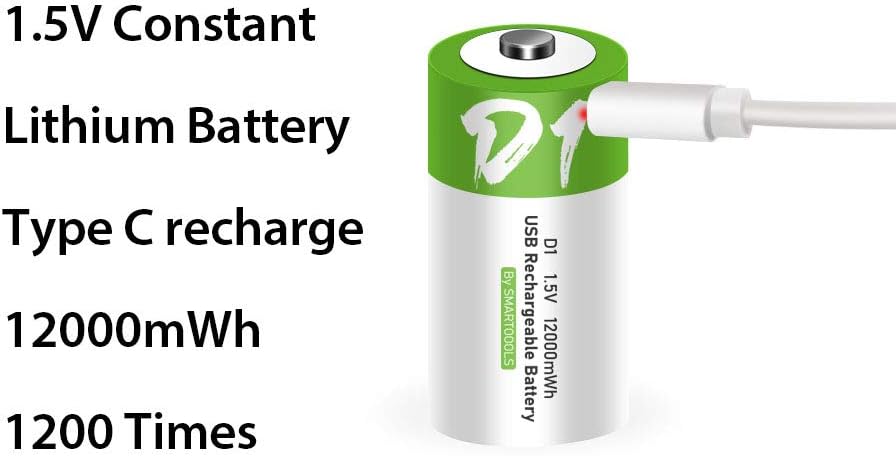
Figure 5: LED indicator states during charging.
Die Ladezeit für eine vollständige Ladung beträgt etwa 4 Stunden.
4. Bedienungsanleitung
Einlegen der Batterie:
Insert the Lankoo D Lithium-ion rechargeable batteries into your compatible devices, ensuring correct polarity. Match the positive (+) terminal of the battery to the positive contact in the device, and the negative (-) terminal to the negative contact.

Figure 6: Correct battery orientation for device installation.
Gerätekompatibilität:
These batteries are suitable for a wide range of devices that require D-size batteries, including but not limited to LED candles, flashlights, portable CD and MP3 players, digital cameras, and children's toys. The constant 1.5V output ensures stable power delivery for sensitive electronics.
5. Wartung
- Lagerung: Store batteries in a cool, dry place away from direct sunlight and extreme temperatures. For long-term storage, it is advisable to charge them to about 50% capacity.
- Reinigung: Keep battery terminals clean. If necessary, wipe them with a clean, dry cloth.
- Entsorgung: Batterien dürfen nicht im Hausmüll entsorgt werden. Geben Sie sie bei einer autorisierten Batterierecyclinganlage ab.
- Kurzschlüsse vermeiden: Schließen Sie die Batteriepole nicht kurz.
- Überentladung vermeiden: While the batteries have protection circuits, avoid completely draining them repeatedly to prolong overall lifespan.
6. Fehlerbehebung
| Ausgabe | Mögliche Ursache | Lösung |
|---|---|---|
| Akku lädt nicht. | Charging cable not properly connected; USB power source is faulty; Battery is fully charged. | Ensure the Type-C cable is securely plugged into both the battery and the USB power source. Try a different USB port or power adapter. Check the LED indicator; if solid red, the battery is fully charged. |
| Gerät lässt sich nicht einschalten. | Incorrect battery polarity; Battery is depleted; Device is faulty. | Verify that the batteries are inserted with correct positive (+) and negative (-) orientation. Recharge the batteries. Test the device with known working batteries. |
| Die Akkulaufzeit ist kürzer als erwartet. | High power consumption of device; Battery not fully charged; Battery nearing end of its cycle life. | Some devices consume more power. Ensure batteries are fully charged before use. After 1200+ cycles, battery capacity may naturally decrease. |
7. Spezifikationen
| Attribut | Wert |
|---|---|
| Marke | Lankoo |
| Modellnummer | D |
| Zusammensetzung der Batteriezellen | Lithium |
| Bandtage | 1.5 V (Konstantausgangsspannung) |
| Kapazität | 12000mWh |
| Ladeanschluss | Typ-C USB |
| Ladezeit | Ca. 4 Stunden |
| Lebensdauer | Über 1200 Zyklen |
| Artikelgewicht | 6.4 Unzen (für 2 Batterien) |
| Sicherheitszertifizierungen | CE, FCC, RoHS |
8. Garantie und Support
For warranty information or technical support, please refer to the product listing on Amazon or contact Lankoo customer service directly through the seller contact option on the Amazon platform. Please retain your proof of purchase for any warranty claims.
Online-Hilfe: Visit Product Page on Amazon
Ask a question about this manual
Ask about setup, troubleshooting, compatibility, parts, safety, or missing instructions. Manuals+ will review the question and use this page’s manual context to help answer it.