
1. Einleitung
Thank you for choosing the Habotest HT121 Non-Contact Voltage and Diode Tester. This device is designed for safe and accurate electrical measurements, featuring Non-Contact Voltage (NCV) detection, diode testing, and True RMS capabilities. Please read this manual thoroughly before use to ensure proper operation and safety.
2. Sicherheitshinweise
WARNING: Electrical shock hazard. Failure to follow these safety instructions can result in serious injury or death.
- Always exercise extreme caution when working with electrical circuits.
- Verwenden Sie das Gerät nicht, wenn es beschädigt erscheint oder der Batteriedeckel nicht ordnungsgemäß geschlossen ist.
- Nicht anwenden voltage oder Strom, der die maximal festgelegten Grenzwerte überschreitet.
- Ensure your hands are dry and wear appropriate personal protective equipment (PPE) when performing measurements.
- Never attempt to repair or modify the device. Refer servicing to qualified personnel.
- Bewahren Sie das Gerät außerhalb der Reichweite von Kindern auf.
3. Produktmerkmale
- Kontaktloses Volumentage (NCV)-Erkennung: Sichere Erkennung von Wechselstromspannungtage ohne direkten Kontakt.
- Diodentest: Check the functionality of diodes.
- Echte RMS-Messung: Liefert genaue Messwerte für nicht-sinusförmige Wellenformen.
- Kompaktes und tragbares Design.
4. Einrichtung
4.1 Einlegen der Batterie
The Habotest HT121 requires batteries for operation. To install or replace batteries:
- Suchen Sie die Abdeckung des Batteriefachs auf der Rückseite des Geräts.
- Verwenden Sie einen Schraubendreher, um das Batteriefach zu öffnen.
- Insert the required batteries, observing the correct polarity (+ and -).
- Bringen Sie die Batteriefachabdeckung wieder an und sichern Sie sie mit der Schraube.
4.2 Ein-/Ausschalten
Press the power button to turn the device on. Press and hold the power button to turn it off.
5. Bedienungsanleitung
5.1 Berührungslose Voltage (NCV) Erkennung
Die NCV-Funktion ermöglicht die sichere Erkennung von Wechselstromspannungen.tage ohne direkten Kontakt mit stromführenden Leitungen.
- Schalten Sie das Gerät ein.
- Select the NCV mode (refer to the device's button layout for the specific NCV button or rotary switch position).
- Bring the tip of the tester close to the conductor or outlet you wish to test.
- Wenn AC-Voltage is detected, the device will typically emit an audible beep and/or illuminate an LED indicator, with the frequency of beeps/flashes increasing mit Volumentage Stärke.
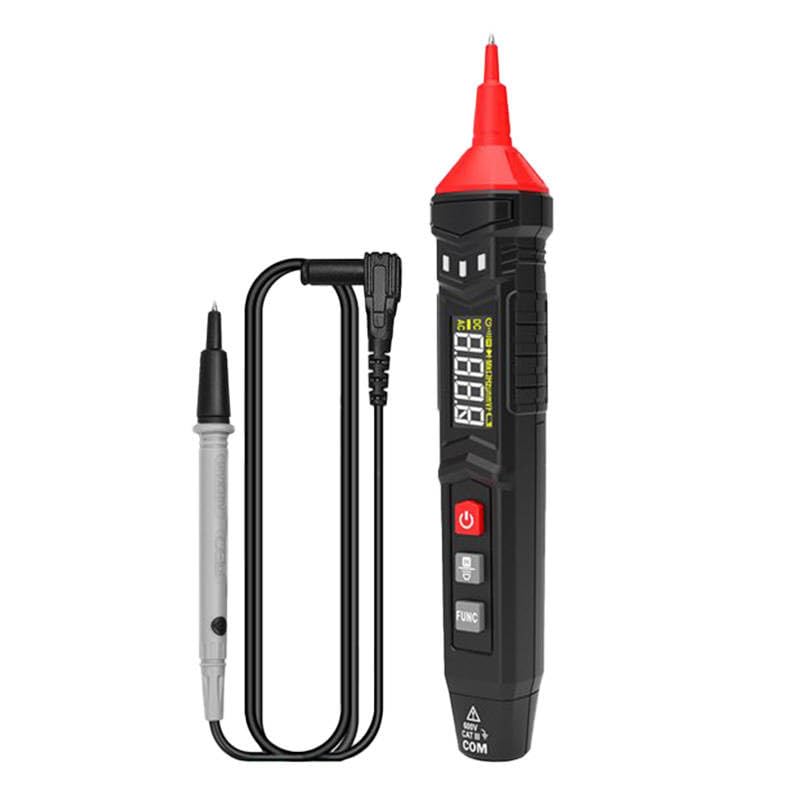
Figure 1: Habotest HT121 Non-Contact Voltage and Diode Tester. This image shows the compact design of the device, highlighting its display and function buttons.
5.2 Diodentest
The diode test function is used to check the forward voltage drop of a diode and its integrity.
- Schalten Sie das Gerät ein.
- Select the Diode Test mode.
- Connect the test leads to the diode, observing polarity (red to anode, black to cathode).
- Das Display zeigt die Vorwärtslautstärke an.tage drop in millivolts (mV). An open circuit (OL) indicates a faulty diode or incorrect connection.
5.3 Wahrer Effektivwert
True RMS (Root Mean Square) measurement provides accurate readings for both sinusoidal and non-sinusoidal AC waveforms. Unlike average-responding meters, True RMS meters correctly measure distorted waveforms, which are common in modern electronic systems. This ensures higher accuracy for voltage and current measurements in various applications.
6. Wartung
6.1 Reinigung
Wischen Sie das Gerät mit Werbung abamp cloth and mild detergent. Do not use abrasive cleaners or solvents. Ensure the device is completely dry before storage or use.
6.2 Batteriewechsel
When the low battery indicator appears on the display, replace the batteries as described in Section 4.1. Always use the specified battery type.
7. Fehlerbehebung
| Problem | Mögliche Ursache | Lösung |
|---|---|---|
| Gerät lässt sich nicht einschalten. | Defekte oder falsch eingesetzte Batterien. | Batteriepolarität prüfen; Batterien austauschen. |
| Ungenaue Messwerte. | Low battery; incorrect mode selection; environmental interference. | Replace batteries; ensure correct mode is selected; move away from strong electromagnetic fields. |
| NCV erkennt kein Volumentage. | Bandtage too low; device too far from source; faulty device. | Stellen Sie sicher, dasstage is present and sufficient; bring device closer; contact support if issue persists. |
8. Spezifikationen
| Parameter | Wert |
|---|---|
| Modellnummer | HT121 (4050) |
| Marke | HABOTEST |
| Merkmale | Kontaktloses Volumentage (NCV), Diode Test, True RMS |
| Stromquelle | (Not specified, typically AAA or button cell batteries) |
| Herkunft | China |
9. Garantie und Support
HABOTEST products are manufactured to high-quality standards. For warranty information, technical support, or service inquiries, please contact your local distributor or visit the official HABOTEST webBitte bewahren Sie Ihren Kaufbeleg als Kaufnachweis auf.