
Einführung
This manual provides essential information for the safe and effective installation and operation of your Bisida 10S 36V 15A Li-ion PCB Protection Board. This board is designed to manage and protect 10-series (10S) 36V lithium-ion battery packs with a continuous discharge current of up to 15A. It ensures the longevity and safety of your battery by preventing common issues such as overcharge, over-discharge, and short circuits.
Sicherheitsvorkehrungen
Bitte lesen und verstehen Sie alle Sicherheitshinweise vor der Installation und Inbetriebnahme. Die Nichtbeachtung dieser Hinweise kann zu Stromschlag, Brand oder anderen Gefahren führen.
- Installation should only be performed by qualified personnel with experience in battery systems.
- Stellen Sie sicher, dass der Akku ausreichend geladen ist.tage and current ratings are compatible with this BMS (10S 36V 15A).
- Avoid short-circuiting the BMS terminals or battery pack.
- Do not expose the BMS to water, excessive moisture, or extreme temperatures outside its operating range.
- Tragen Sie während der Installation stets die geeignete persönliche Schutzausrüstung (PSA).
- Pre-Installation Notice: Before installing the BMS protective board, it is critical to match the voltage, capacity, and internal resistance of individual battery cells. The voltage difference between cells should not exceed 0.05V, the internal resistance difference should not exceed 5mΩ, and the capacity difference should be less than 30mAh. Failure to meet these conditions may prevent the battery pack from charging or balancing correctly.
Produkteigenschaften
The Bisida BMS offers comprehensive protection and management for your lithium-ion battery pack, ensuring its safety and extending its lifespan.
- Mehrere Schutzfunktionen: Includes overcharge protection, over-discharge protection, overcurrent protection, short-circuit protection, and temperature protection.
- Disconnect Protection: Safeguards against issues arising from improper connections.
- Bandtage Balance (Passive Balance): Helps maintain equal voltage across all battery cells, improving pack performance and longevity.
- NTC-Temperaturregelung: Features a new generation NTC temperature control probe for accurate temperature monitoring.
- Automobil-Chip: Utilizes a small, integrated chip designed for lower temperature operation and reduced power consumption.
- Anti-Surge Design (TVS): Incorporates TVS for enhanced durability and reliability.

Abbildung 1: Integrated solution offering ten kinds of protection for the battery management system.

Abbildung 2: NTC temperature control probe for precise temperature monitoring.
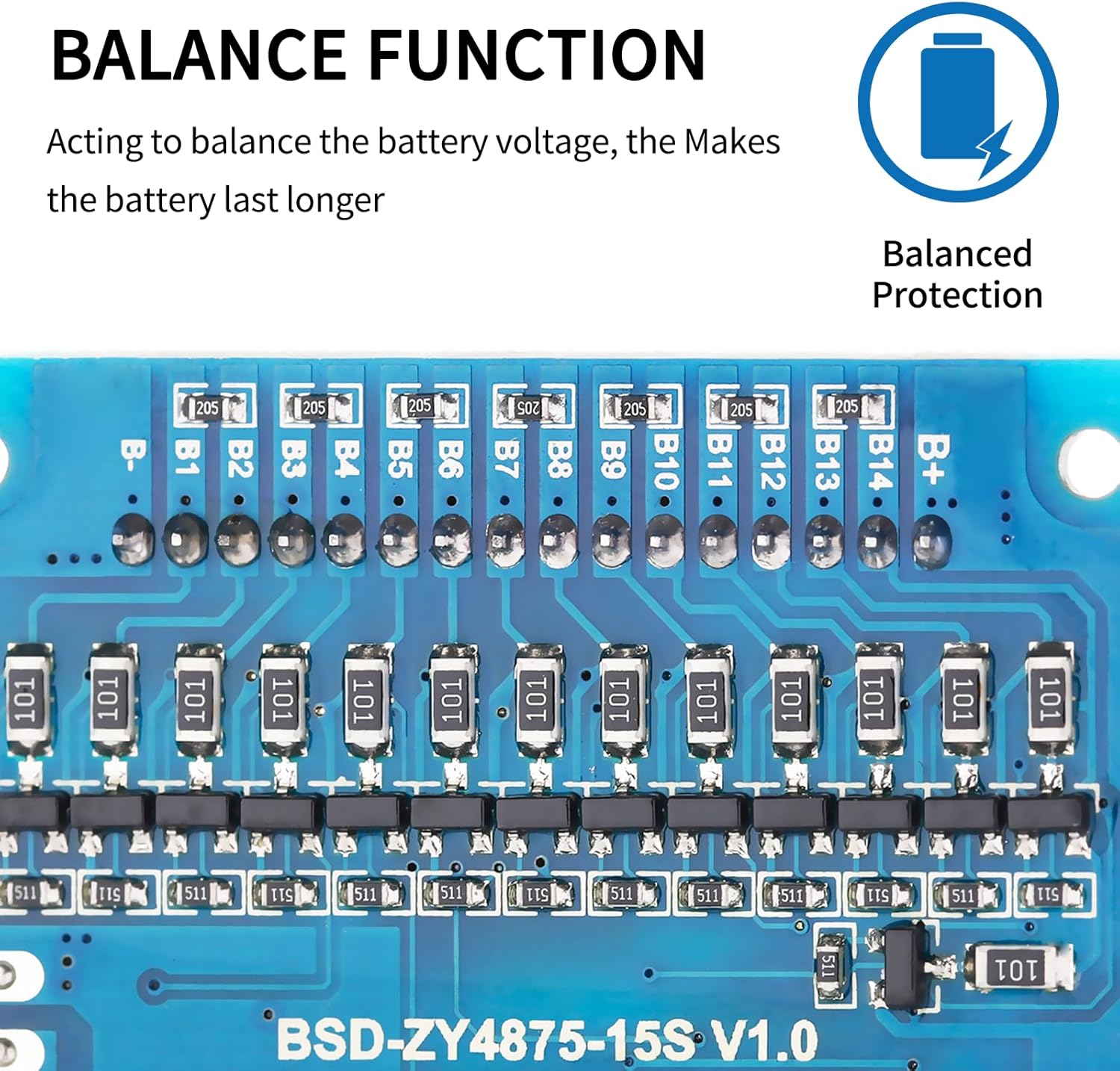
Abbildung 3: Balance function circuitry on the BMS board, ensuring balanced battery cell voltage.

Abbildung 4: Automotive grade chip for reliable and efficient performance.

Abbildung 5: Anti-surge design with TVS for enhanced protection.
Technische Spezifikationen
| Spezifikation | Detail |
|---|---|
| Modellnummer | 10S 36V 15A |
| Marke | Bisida |
| Nennvolumentage | 36 Volt |
| Kontinuierlicher Entladestrom | 15 Amps |
| Batteriezellentyp | Lithium-Ionen |
| Betriebstemperaturbereich | -20°C bis 70°C |
| UPC | 749755110335 |
| Empfohlene Verwendung | Bicycle, e-Bike battery packs |
Installationshandbuch
Proper installation is critical for the safe and effective operation of the BMS. Ensure all connections are secure and correctly oriented.
Wiring Method (Split Ports)
The wiring methods for Split Ports of the BMS are as follows. Refer to the wiring diagram for visual guidance:
- B- Connection: Connect to the negative terminal of the battery pack.
- C- Connection: Connect to the negative terminal of the charging input.
- P- Connection: Connect to the negative terminal of the output (load).
- Positive Verbindungen: All positive electrodes from the battery cells and the main positive output/charge connection should be connected to the total positive pole of the battery pack.
- Balancerleitungen: Connect the balance wires to each cell in increasing order of voltage, starting from B- (0V) up to B+ (total positive voltagUnd).

Abbildung 6: Wiring diagram for the Bisida 10S 36V 15A BMS. Ensure connections are made in order of increasing voltage (B-, B1, B2, B3...B+).
Betrieb
Once correctly installed and connected, the Bisida BMS operates automatically to protect your battery pack. It continuously monitors cell voltages, Gesamtpackungsvolumentage, current flow, and temperature to ensure safe charging and discharging within the specified parameters.
Temperaturbereich
The BMS supports lithium-ion battery charging and discharging within an operating temperature range of -20°C to 70°C. Operation outside this range may trigger temperature protection or damage the battery pack.
Wartung
To ensure optimal performance and longevity of your Bisida BMS and battery pack, follow these maintenance guidelines:
- Keep the BMS clean and free from dust, dirt, and moisture.
- Avoid physical impact or damage to the BMS board and its components.
- Ensure proper ventilation around the battery pack and BMS to prevent heat buildup.
- Überprüfen Sie regelmäßig alle Drahtverbindungen auf festen Sitz und Anzeichen von Korrosion.
- Do not attempt to repair or modify the BMS yourself. Refer to qualified technicians for service.
Fehlerbehebung
If you encounter issues with your Bisida BMS, refer to the following troubleshooting steps:
Battery Pack Not Charging
- Verify that all individual battery cells are matched in voltage, capacity, and internal resistance as specified in the "Pre-Installation Notice" under Safety Precautions.
- Check all wiring connections (B-, C-, P-, and positive connections) for correctness, secure contact, and absence of damage.
- Ensure the charger is functioning correctly and is compatible with the battery pack's voltage und aktuelle Anforderungen.
BMS Overheating
- Check for excessive current draw during discharge or charge, which may exceed the BMS's rated 15A continuous current.
- Ensure adequate ventilation around the BMS and battery pack. Remove any obstructions to airflow.
- Verify that the ambient temperature is within the specified operating range (-20°C to 70°C).
Unerwartetes Herunterfahren
- An unexpected shutdown often indicates that a protection function has been triggered (e.g., over-discharge, overcurrent, short-circuit). Identify and resolve the underlying issue causing the protection.
- Check for loose connections or damaged wires that could lead to intermittent contact.
Garantieinformationen
The Bisida 10S 36V 15A Li-ion PCB Protection Board comes with a 1 Jahr Garantie from the date of purchase. This warranty covers manufacturing defects under normal use conditions. Please retain your proof of purchase for any warranty claims. The warranty does not cover damage caused by improper installation, misuse, unauthorized modification, or external factors.
Kundenservice
For technical assistance, installation guidance, or any other inquiries regarding your Bisida 10S 36V 15A Li-ion PCB Protection Board, please contact Bisida customer support through the retailer or platform where the product was purchased. Provide your product model number and purchase details for efficient service.