
1. Einleitung
The Symcode MJ-Q71 RFID Reader Writer is a dual-frequency device designed for reading and writing various RFID cards and tags. It supports both 125KHz and 13.56Mhz frequencies, making it compatible with a wide range of RFID technologies including EMID, FDX-A, FDX-B, ISO Prox 1326 family cards, MF S50, S70, and other ISO14443-A/B protocol labels. This device functions as a HID USB plug-and-play unit, requiring no additional driver installation for most operating systems.
It is suitable for applications such as animal management, fish management, automatic feeding equipment, and general access control systems. The MJ-Q71 offers high stability and features configurable output formats and keyboard layouts.

Figure 1: Symcode MJ-Q71 RFID Reader Writer.

Figure 2: Device features stable performance and broad compatibility with various card types.
2. Einrichtung
The Symcode MJ-Q71 RFID Reader Writer is a plug-and-play device, requiring minimal setup.
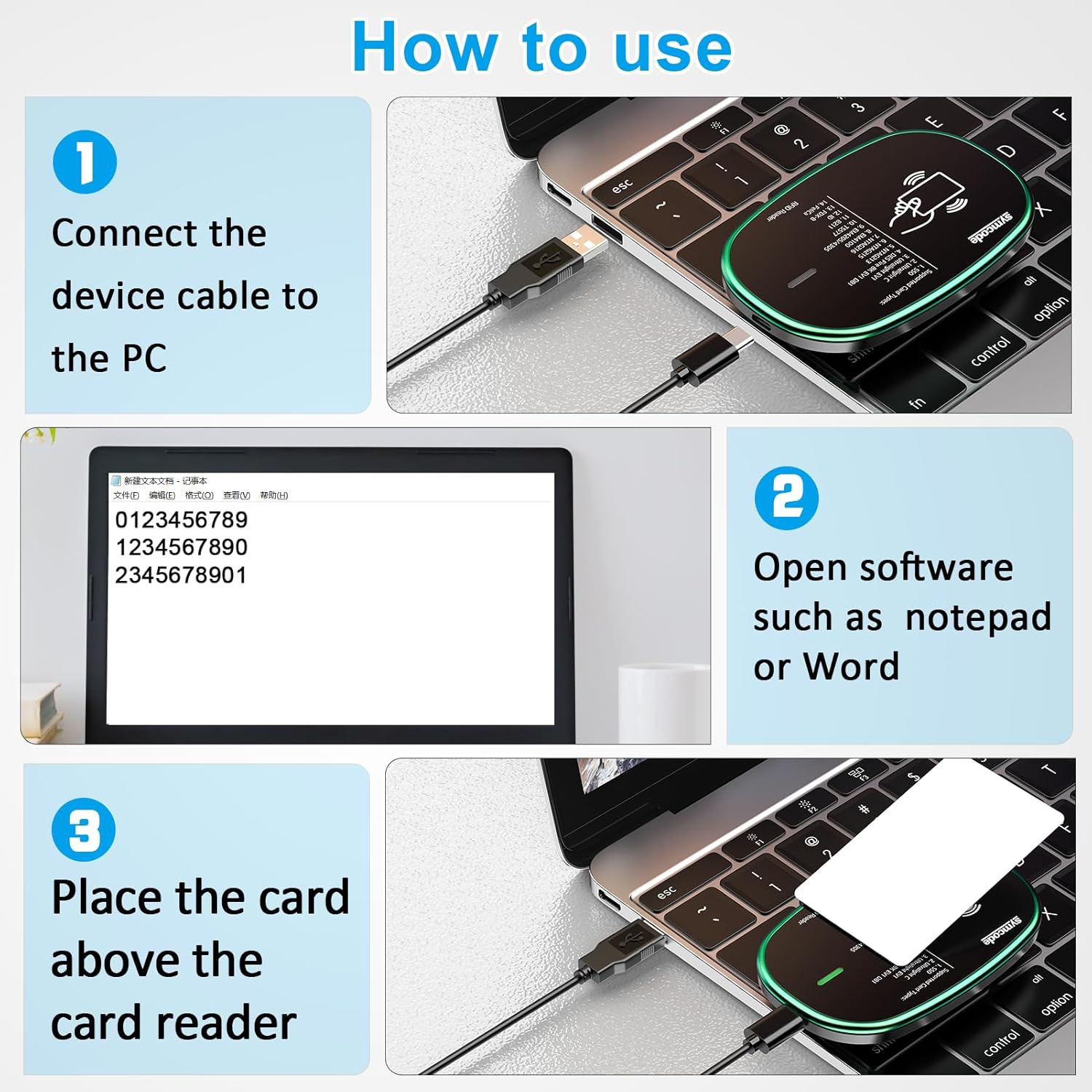
Abbildung 3: Überview of the setup and basic operation steps.
- Schließen Sie das Gerät an: Connect the USB cable of the RFID reader writer to an available USB port on your computer (PC). The device will be automatically recognized by your operating system (Windows, Linux, Android, etc.) as a Human Interface Device (HID). (Refer to Step 1 in Figure 3).
- Prepare Software: Open any text editing software such as Notepad, Microsoft Word, or a dedicated RFID reader application. The device will output card data directly into the active text field. (Refer to Step 2 in Figure 3).
No additional drivers are typically required for basic read operations.
3. Bedienung
3.1 Reading Cards
- Place the Card: Position the RFID card or tag directly above the center of the reader. The device is designed for non-contact reading. (Refer to Step 3 in Figure 3).
-
Indikator beachten: The LED indicator light on the right side of the device will change color to indicate status. A Rotlicht indicates standby mode, and a grünes Licht indicates a successful read.

Figure 4: LED indicator status (Red for standby, Green for successful read).
- Datenausgabe: Upon a successful read, the card's data will be automatically entered into the active text field of your open software (e.g., Notepad). The reaction speed is typically less than 0.2 seconds.

Figure 5: Non-contact reading and plug-and-play features.
3.2 Supported Card Types and Applications
The MJ-Q71 supports a wide range of card types and is versatile for various applications:
- Unterstützte Kartentypen: S50, S70, Ultralight C, DES Fire 8K EV1 D81, NTAG213, N.TAG215, N.TAG216, EM4100, Felica, EM4205/4305, T5577, 8211, and other 1326 family ISO Prox cards.
- Doppelfrequenz: Reads both 125KHz and 13.56Mhz cards.
- Anwendungen: Non-contact smart cards, bank cards, gatekeeper systems, and pet chips.

Figure 6: Versatile applications of the RFID Reader Writer.
3.3 Writing Cards (Advanced)
The device supports writing to compatible RFID tags. This typically requires dedicated software. The product description mentions 40 output formats for EM4100 ID card UID and configurable settings via a config card. For detailed writing procedures, refer to the specific software documentation or contact Symcode support.

Abbildung 7: Bspample of a software interface for card operations.
The device supports 40 output formats for EM4100 ID card UID, with a maximum of 40 bits card number in 10H or 13 digital decimal format. These formats are configurable by the user using a configuration card.
For 1326 family cards, the reader sends the card number in 40 type formats or in raw Wiegand bit data format (from 24 bit to 80 bits data).
3.4 Lehrvideos
RFID Card Operating Methods
Video 1: This video demonstrates the general operating methods for RFID cards with the Symcode reader. It shows how to place cards and observe the output.
EM4100 Card Writer Method
Video 2: This video illustrates the process of writing data to an EM4100 card using the Symcode device and its associated software.
4. Wartung
- Reinigung: Use a soft, dry cloth to clean the surface of the device. Avoid using abrasive cleaners or solvents, as these can damage the casing.
- Lagerung: Bewahren Sie das Gerät an einem kühlen, trockenen Ort fern von direkter Sonneneinstrahlung und extremen Temperaturen auf.
- Handhabung: Behandeln Sie das Gerät mit Sorgfalt. Vermeiden Sie es, es fallen zu lassen oder starken Stößen auszusetzen.
- Kabelpflege: Ensure the USB cable is not bent sharply or subjected to excessive strain, which could damage the internal wires.
5. Fehlerbehebung
| Problem | Mögliche Ursache | Lösung |
|---|---|---|
| Gerät wird vom PC nicht erkannt. |
|
|
| No data output when scanning a card. |
|
|
| Inconsistent reading distance. |
|
|
6. Spezifikationen
| Modellnummer | MJ-Q71 |
| Marke | Symcode |
| Arbeitsfrequenz | 125KHz / 13.56Mhz Dual-frequency |
| Kommunikationsschnittstelle | USB Type A (HID USB device) |
| Kartenlesertyp | EMID, FDX-A, FDX-B, ISO Prox 1326 family, MF S50, S70, Ultralight C, DES Fire 8K EV1 D81, NTAG213, N.TAG215, N.TAG216, EM4100, Felica, EM4205/4305, T5577, 8211, and other ISO14443-A/B protocol labels. |
| Betriebslautstärketage | 5V |
| Arbeitsstrom | 100 mA |
| Betriebstemperatur | -20℃ bis 70℃ (-4°F bis 158°F) |
| Leseabstand | 0-150mm (varies with tag Art) |
| Card Reading Time | <100 ms |
| Card Reading Speed | 0.2er Jahre |
| Abmessungen (L x B x H) | 105mm x 65mm x 15mm (4.13 "x 2.56" x 0.59 ") |
| Gewicht | Ca. 120g |
| Betriebssystemunterstützung | Windows XP, Win CE, Win 7, Win 10, Linux, Vista, Android |
| Statusanzeige | 2-color LED (Blue: Power, Green: Status) |
| Integrierte Funktionen | Buzzer (configurable), 40 output formats, QW/AZERTY keyboard layout configurable. |

Abbildung 8: Geräteabmessungen.
7. Garantie und Support
7.1 Garantieinformationen
The Symcode MJ-Q71 RFID Reader Writer comes with a 2 Jahr Garantie Diese Garantie gilt ab Kaufdatum und deckt Material- und Verarbeitungsfehler bei normalem Gebrauch ab. Bitte bewahren Sie Ihren Kaufbeleg für Garantieansprüche auf.
For specific warranty terms and conditions, please refer to the documentation included with your product or contact Symcode customer support.
7.2 Kundendienst
If you encounter any issues not covered in the troubleshooting section, or require assistance with advanced features like custom output formats or keyboard layouts, please contact Symcode customer support.
For customization requests or further inquiries, you may send an email to the manufacturer as indicated in the product information.
Visit the official Symcode store for more information: Symcode Store