1. Produktüberschreitungview
This manual provides essential information for the LTA Lawn Mower Blade Drive Belt, Model A43. This belt is designed for blade drive applications in various Murray lawn mower models, ensuring efficient power transmission and durability.
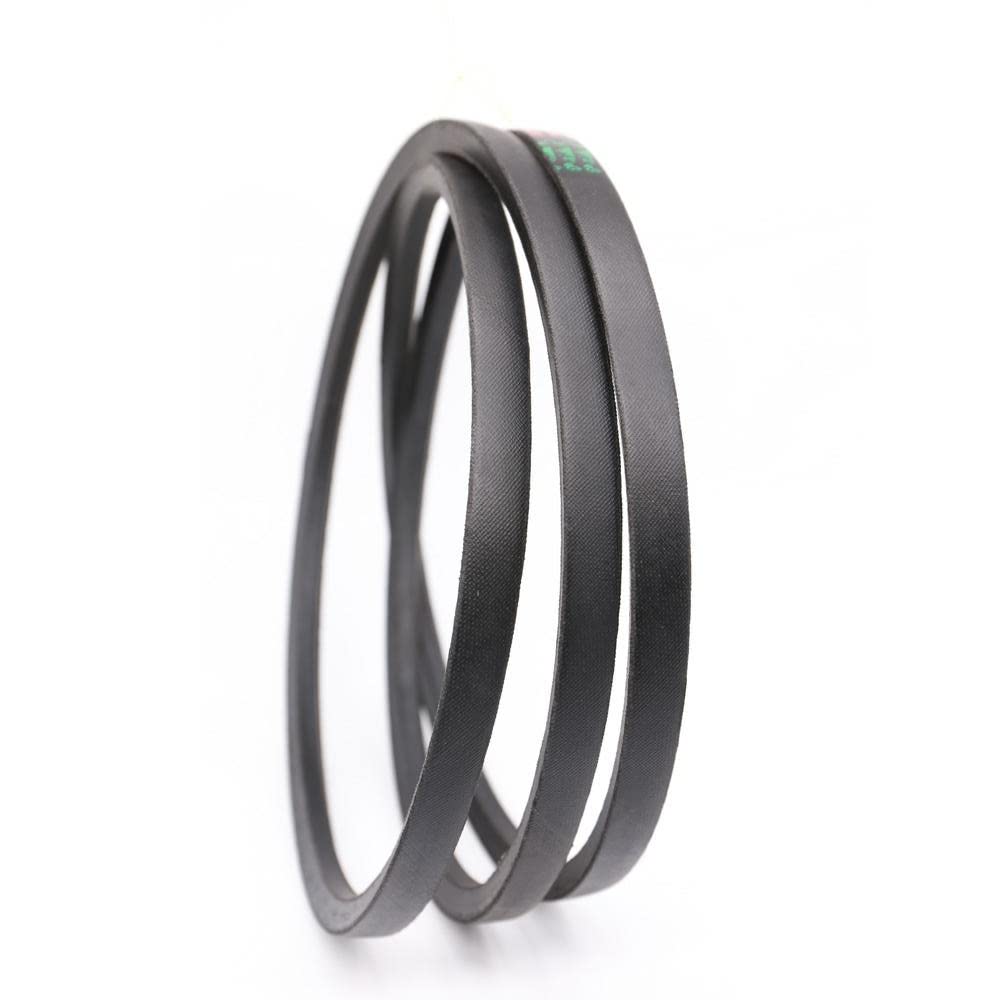
Figure 1: LTA Lawn Mower Blade Drive Belt (Model A43).
Hauptmerkmale:
- Anwendung: Specifically designed for blade drive systems.
- Abmessungen: 1/2 inch width and 45 inches length.
- Haltbarkeit: Constructed for high flexibility, preventing stretching and breakage.
- Leistung: Offers excellent dimensional stability and high cut resistance for extended life.
- OEM-Ersatzteil: Replaces Murray OEM parts 37X111 and 37X111MA.
Produktkonstruktion:

Figure 2: Internal structure of a drive belt, highlighting the top layer, polyester tension core, core, and cover fabric for enhanced durability and performance.
The LTA blade drive belt features a robust construction including a durable top layer, a polyester tension core for great tensile strength, a strong core, and a protective cover fabric. This multi-layered design ensures optimal power transmission and resistance to wear and tear.
Produktanwendung:

Figure 3: The LTA blade drive belt is designed for use in lawn mower applications, ensuring efficient power transfer to the blades.
This belt is specifically engineered for lawn mower blade drive systems, providing reliable and consistent power to the cutting deck. Its design ensures smooth operation and effective grass cutting.
Offizielles Produktvideo:
Video 1: Ein überview of the LTACOOL replacement belt for lawn mowers and tractors, highlighting its features and application.
2. Kompatibilität
The LTA Lawn Mower Blade Drive Belt (Model A43) is a direct replacement for Murray OEM parts 37X111 and 37X111MA. It is compatible with a wide range of Murray rider models, including but not limited to:
- Murray Most 309000x31A
- Murray Most 309000x8C
- Murray Most 309000x8NA
- Murray Most 309001x48A
- Murray Most 309002x24A
- Murray Most 309002x24B
- Murray Most 309003x99NA
- Murray Most 309006x00A
- Murray Most 309007x8A
- Murray Most 309008x92A
- Murray Most 309008x99A
- Murray Most 309029x92B
- Murray Most 309029x92NA
- Murray Most 309304x8A
- Murray Most 309304x8B
- Murray Most 309304x8D
- Murray Most 309311x92A riders
Always verify your specific model number against the product specifications to ensure proper fit and function.
3. Spezifikationen
| Spezifikation | Wert |
|---|---|
| Technische Daten | 45"L x 0.5"W (45 x 0.5 x 0.04 inches) |
| Artikelmodellnummer | A43 |
| Artikelgewicht | 1.6 Unzen |
| Belt Application | Messerantrieb |
| Gürtelstil | Keilriemen |
| Kompatible Geräte | Rasenmäher |
| Hersteller | LTA |
| Ursprungsland | China |
4. Types of Belts (General Information)
Understanding different belt types can be helpful for general maintenance of power equipment. While this product is a V-belt, other types exist for various applications.
Video 2: This video illustrates various types of belts, including V-belts, ribbed belts, cogged belts, double V-belts, band belts, and timing belts, showcasing their distinct designs and potential applications.
V-Belt:
V-belts are trapezoidal in cross-section and are commonly used for power transmission in various machinery, including lawn mowers. Their shape allows them to wedge into the grooves of a pulley, providing good grip and efficient power transfer.
Ribbed Belt:
Ribbed belts, also known as poly-V belts, have multiple V-shaped ribs running lengthwise around the inner surface. They offer increased contact area with pulleys, allowing for higher power transmission and flexibility compared to single V-belts.
Cogged Belt:
Cogged belts feature notches or cogs on their underside. These cogs allow the belt to bend more easily around smaller pulleys, reducing heat buildup and increasing efficiency, especially in high-speed applications.
Band Belt:
Band belts consist of multiple V-belts joined together by a common top band. This design prevents individual belts from turning over or jumping out of the pulley grooves, making them suitable for applications with pulsating loads or long center distances.
Zahnriemen:
Timing belts have teeth on their inner surface that mesh with corresponding teeth on pulleys. This positive engagement ensures precise synchronization between rotating shafts, making them ideal for applications where exact timing is critical, such as in engines or robotics.
5. Installation (Einrichtung)
Replacing a blade drive belt requires careful attention to safety and proper procedure. Always refer to your lawn mower's specific service manual for detailed instructions, as procedures may vary by model.
Sicherheitsvorkehrungen:
- Zündkerze abziehen: Always disconnect the spark plug wire to prevent accidental engine starting.
- Schutzausrüstung tragen: Bitte Handschuhe und Augenschutz tragen.
- Motor abkühlen lassen: Ensure the engine and all components are cool before beginning work.
- Sichere Ausrüstung: If lifting the mower, ensure it is stable and properly supported.
Allgemeine Installationsschritte:
- Zugang zum Deck: Depending on your mower, you may need to remove the cutting deck or tilt the mower to access the belt.
- Note Belt Routing: Before removing the old belt, carefully observe or draw a diagram of its routing around all pulleys. This is crucial for correct installation of the new belt.
- Spannungen lösen: Locate the tensioning mechanism (e.g., idler pulley, spring) and release the tension on the old belt.
- Alten Riemen entfernen: Den alten Riemen vorsichtig von allen Riemenscheiben entfernen.
- Neuen Riemen einbauen: Route the new LTA blade drive belt according to your diagram. Ensure it sits correctly in all pulley grooves.
- Spannung anwenden: Re-engage the tensioning mechanism. The belt should be taut but not overly tight.
- Installation überprüfen: Manually rotate the blades to ensure the belt moves freely and does not rub against any components.
- Zündkerze wieder anschließen: Sobald die Installation abgeschlossen und überprüft ist, schließen Sie das Zündkerzenkabel wieder an.
6. Betriebliche Überlegungen
After installing the new blade drive belt, observe the mower's performance during operation.
- Erster Durchlauf: Start the mower and engage the blades at a low speed initially to ensure smooth operation.
- Achten Sie auf ungewöhnliche Geräusche: Pay attention to any squealing, grinding, or flapping sounds, which could indicate improper belt tension or routing.
- Check Blade Engagement: Ensure the blades engage and disengage smoothly and completely.
- Überladung vermeiden: Do not attempt to cut excessively tall or wet grass, as this can put undue strain on the belt and other components.
7. Wartung
Regular maintenance of your blade drive belt will extend its lifespan and ensure optimal performance of your lawn mower.
- Regelmäßige Inspektion: Überprüfen Sie den Riemen regelmäßig auf Verschleißerscheinungen, Risse, Ausfransungen, Verglasungen oder Dehnungen. Ersetzen Sie den Riemen, wenn Sie erhebliche Schäden feststellen.
- Sauberkeit: Halten Sie Riemen und Riemenscheiben frei von Grasschnitt, Schmutz und Ablagerungen. Ansammlungen können zu Schlupf und vorzeitigem Verschleiß führen.
- Richtige Spannung: Ensure the belt maintains proper tension as specified by your mower's manufacturer. A belt that is too loose will slip, while one that is too tight can cause excessive wear on bearings and the belt itself.
- Lagerung: Wenn Sie den Rasenmäher über längere Zeiträume, insbesondere bei kaltem Wetter, lagern, sollten Sie Folgendes beachten:asing belt tension if recommended by the mower manufacturer to prevent permanent stretching.
8. Fehlerbehebung
If you experience issues with your blade drive system, consider the following common troubleshooting steps:
- Blades Not Engaging or Slipping:
- Riemenspannung prüfen.
- Inspect belt for wear or glazing.
- Ensure pulleys are clean and free of debris.
- Excessive Noise (Squealing, Grinding):
- Verify correct belt routing.
- Check for worn or misaligned pulleys.
- Ensure belt tension is appropriate.
- Vorzeitiger Riemenriss:
- Inspect pulleys for sharp edges or damage.
- Ensure belt is not too tight.
- Avoid sudden impacts or overloading the cutting deck.
If problems persist after troubleshooting, consult a qualified service technician or your lawn mower's manufacturer.
9. Garantie und Support
For information regarding warranty coverage for your LTA Lawn Mower Blade Drive Belt, please refer to the product packaging or contact the manufacturer directly. LTA is committed to providing quality replacement parts.
For technical support or further assistance, please reach out to LTA customer service through their official website or contact channels. When contacting support, please have your product model number (A43) and any relevant purchase information available.


