1. Einleitung
This instruction manual provides essential information for the safe and effective use of your ROTHENBERGER Industrial Pipe Bender Bending Pliers. This tool is designed for manual, two-handed bending of pipes up to 180 degrees. It is suitable for brass, copper, and aluminum pipes with a maximum diameter of 12 mm. Please read this manual thoroughly before operation and retain it for future reference.

Figure 1: ROTHENBERGER Industrial Pipe Bender, 12 mm. This image shows the primary view of the pipe bending pliers.
2. Sicherheitshinweise
Always observe the following safety precautions to prevent injury and damage to the tool or workpiece.
- Tragen Sie geeignete persönliche Schutzausrüstung: Always wear safety glasses to protect against flying debris. Gloves are recommended to improve grip and protect hands.
- Inspect the tool before use: Ensure the pipe bender is in good condition, free from damage or defects. Do not use a damaged tool.
- Werkstück sichern: Ensure the pipe is properly seated and secured in the bending pliers before applying force.
- Maintain a stable stance: Use both hands and maintain a balanced position when bending to prevent loss of control.
- Do not exceed capacity: Only bend pipes with a maximum diameter of 12 mm. Attempting to bend larger or harder pipes can damage the tool and cause injury.
- Hände fernhalten: Ensure hands and fingers are clear of pinch points during the bending process.
- Sicher aufbewahren: Bewahren Sie das Werkzeug an einem trockenen, sicheren Ort außerhalb der Reichweite von Kindern auf.
3. Packungsinhalt
Prüfen Sie beim Auspacken, ob alle Komponenten vorhanden sind:
- 1 x ROTHENBERGER Industrial Pipe Bender Bending Pliers (12 mm pipe bending device)

Figure 2: Front packaging of the pipe bender, indicating 'Bending pliers' in multiple languages.
4. Einrichtung
The ROTHENBERGER Industrial Pipe Bender is a manual tool that requires minimal setup. It is ready for use directly out of the packaging.
- Unpack the tool: Carefully remove the pipe bender from its packaging.
- Auf Schäden prüfen: Before first use, visually inspect the tool for any signs of shipping damage or manufacturing defects. If any damage is found, do not use the tool and contact customer support.
- Familiarize yourself with the tool: Identify the bending form, handles, and pipe channel.
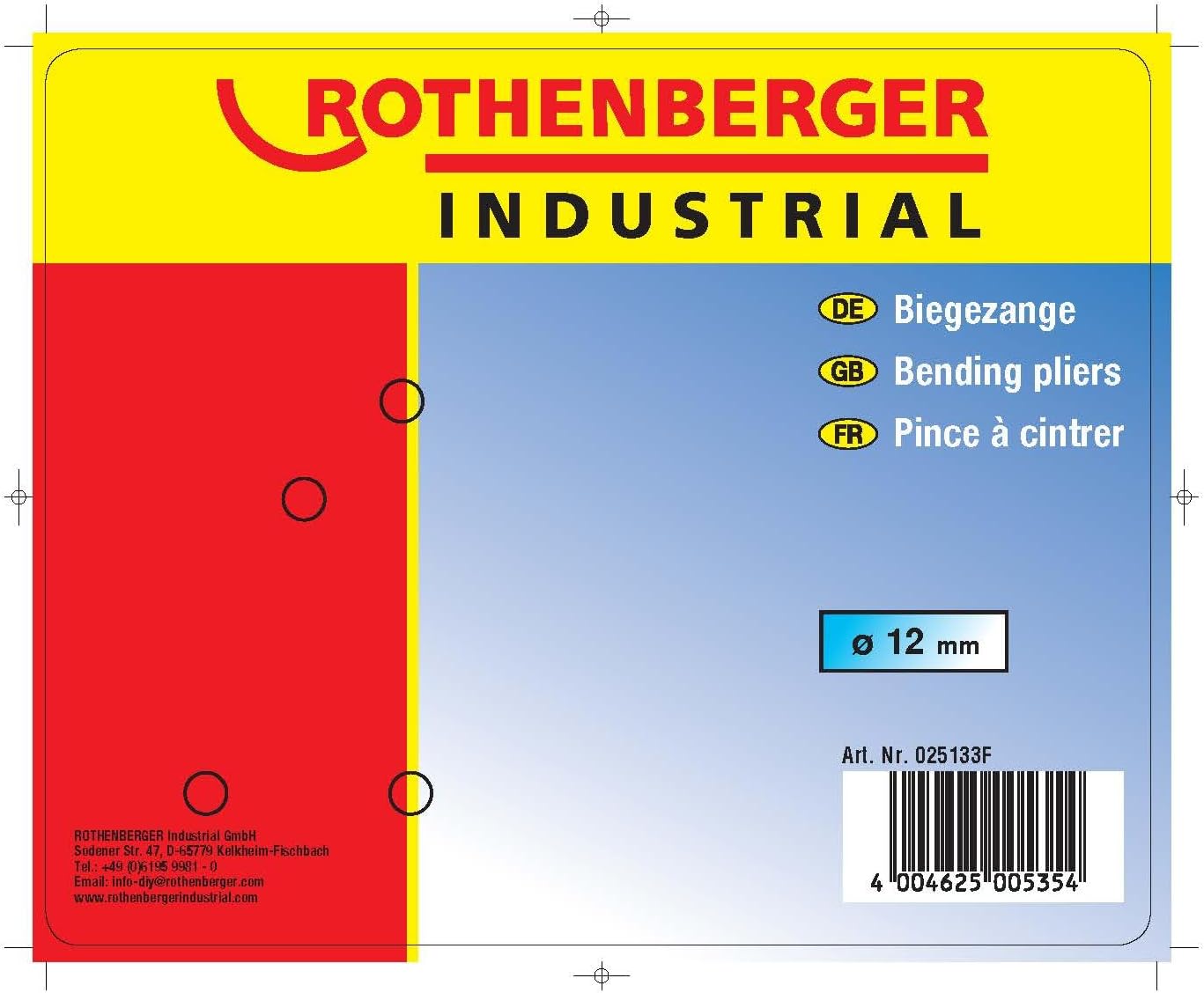
Abbildung 3: Seite view of the pipe bender, illustrating the handles and bending mechanism.
5. Bedienungsanleitung
Follow these steps for effective pipe bending:
- Prepare the pipe: Ensure the pipe is clean, free of burrs, and cut to the desired length. Mark the bending point on the pipe.
- Insert the pipe: Open the bending pliers and carefully place the pipe into the designated channel of the bending form. Align the marked bending point with the desired bending radius indicator on the tool (if present).
- Close the pliers: Close the pliers firmly around the pipe, ensuring it is securely held and does not slip.
- Apply bending force: Using both hands, apply steady, even pressure to the handles to gradually bend the pipe. Bend slowly to achieve a smooth, controlled bend. The tool allows for bending up to 180 degrees.
- Check the bend: Periodically check the angle of the bend. Once the desired angle is achieved, release the pressure and open the pliers to remove the pipe.
- Inspect the bend: Examine the bent pipe for any kinks, flattening, or damage.

Abbildung 4: Zurück view of the pipe bender, showing the pivot point and handle design.
6. Wartung
Proper maintenance ensures the longevity and performance of your pipe bender.
- Reinigung: After each use, wipe down the tool with a clean, dry cloth to remove any dirt, dust, or pipe residue.
- Schmierung: Periodically apply a light machine oil to the pivot points to ensure smooth operation.
- Lagerung: Store the pipe bender in a dry environment to prevent rust. Keep it away from corrosive materials.
- Inspektion: Regularly inspect the bending form and handles for wear, cracks, or deformation. Replace the tool if significant wear or damage is observed.
7. Fehlerbehebung
Häufige Probleme und ihre möglichen Lösungen:
| Problem | Mögliche Ursache | Lösung |
|---|---|---|
| Pipe kinks or flattens | Incorrect pipe size; too much force applied too quickly; pipe material too soft for bending without internal support. | Ensure pipe diameter matches tool specification (12 mm). Apply slower, more even pressure. Consider using a bending spring for very soft materials. |
| Difficulty bending pipe | Pipe material is too hard or too thick; tool requires lubrication. | Ensure pipe is within the tool's capacity (brass, copper, aluminum, max 12 mm). Lubricate pivot points. |
| Pipe slips during bending | Pipe not securely seated; jaws are worn. | Ensure pipe is fully seated in the bending channel. If jaws are worn, the tool may need replacement. |
8. Spezifikationen
Key technical details for the ROTHENBERGER Industrial Pipe Bender:
- Modellnummer: 025133F
- Pipe Diameter Capacity: 12 mm
- Maximaler Biegewinkel: 180 Grad
- Kompatible Materialien: Brass, Copper, Aluminum pipes
- Material: Aluminium
- Griffmaterial: Aluminium
- Produktabmessungen: 14.17"L x 3.54"W (360 mm L x 90 mm W)
- Artikelgewicht: 0.89 Kilogramm (1.96 Pfund)
- Spezifikation erfüllt: DIN ISO 5746
- Globale Handelsidentifikationsnummer (GTIN): 04004625005354

Abbildung 5: Ausführlich view of the pipe bender, highlighting the bending form and pipe channel.
9. Garantie und Support
ROTHENBERGER Industrial products are manufactured to high-quality standards. For warranty information, technical support, or service inquiries, please refer to the official ROTHENBERGER website or contact your local distributor. Please have your model number (025133F) and GTIN (04004625005354) available when contacting support.

Figure 6: ROTHENBERGER Industrial brand logo, emphasizing the company's long-standing commitment to quality.


