1. Einführung und Endeview
The Flashpoint R2 XPro II is a state-of-the-art 2.4GHz wireless flash trigger designed specifically for Canon cameras. It provides robust and reliable control over your Flashpoint R2 and Godox X-system flashes, enabling precise lighting adjustments for professional photography. This manual details the features, setup, operation, maintenance, and troubleshooting for your R2 XPro II trigger.

Image 1.1: The Flashpoint R2 XPro II Wireless Flash Trigger, showcasing its compact design and clear LCD display.
2. Lieferumfang
Bitte überprüfen Sie nach dem Öffnen des Pakets, ob alle folgenden Artikel enthalten sind:
- Flashpoint R2 XPro II Wireless Flash Trigger for Canon
- Benutzerhandbuch (dieses Dokument)
- USB-C Cable (for firmware updates)
Note: AA batteries are required for operation and are not included.
3. Produktmerkmale
The Flashpoint R2 XPro II offers a comprehensive set of features designed to enhance your flash photography:
- Reliable 2.4GHz Radio System: Ensures consistent flash firing with minimal misfires, offering a robust connection up to 300-400 feet (90-120 meters).
- Erweiterter Übertragungsbereich: Control your flashes from significant distances, ideal for complex studio setups or outdoor shoots.
- Versatile Multi-Channel Control: Features 32 channels and 5 dedicated TTL groups (A-E) plus 16 manual groups (0-9, A-F), providing extensive control and customization for multiple flash units.
- Full TTL Support: Automatically adjusts flash power for perfectly exposed images, adapting to changing light conditions with Canon cameras.
- Hochgeschwindigkeitssynchronisierung (HSS): Achieve sync speeds up to 1/8000s, allowing you to freeze fast motion or use wide apertures in bright ambient light.
- Large Dot Matrix LCD Display: Provides clear visibility of settings with adjustable backlight.
- Integriertes Bluetooth: Enables smartphone app control for convenient remote adjustments.
- Firmware aktualisierbar: Via USB-C port for future compatibility and feature enhancements.
- Instant Flip Locking Hot Shoe: Securely attaches the trigger to your camera.
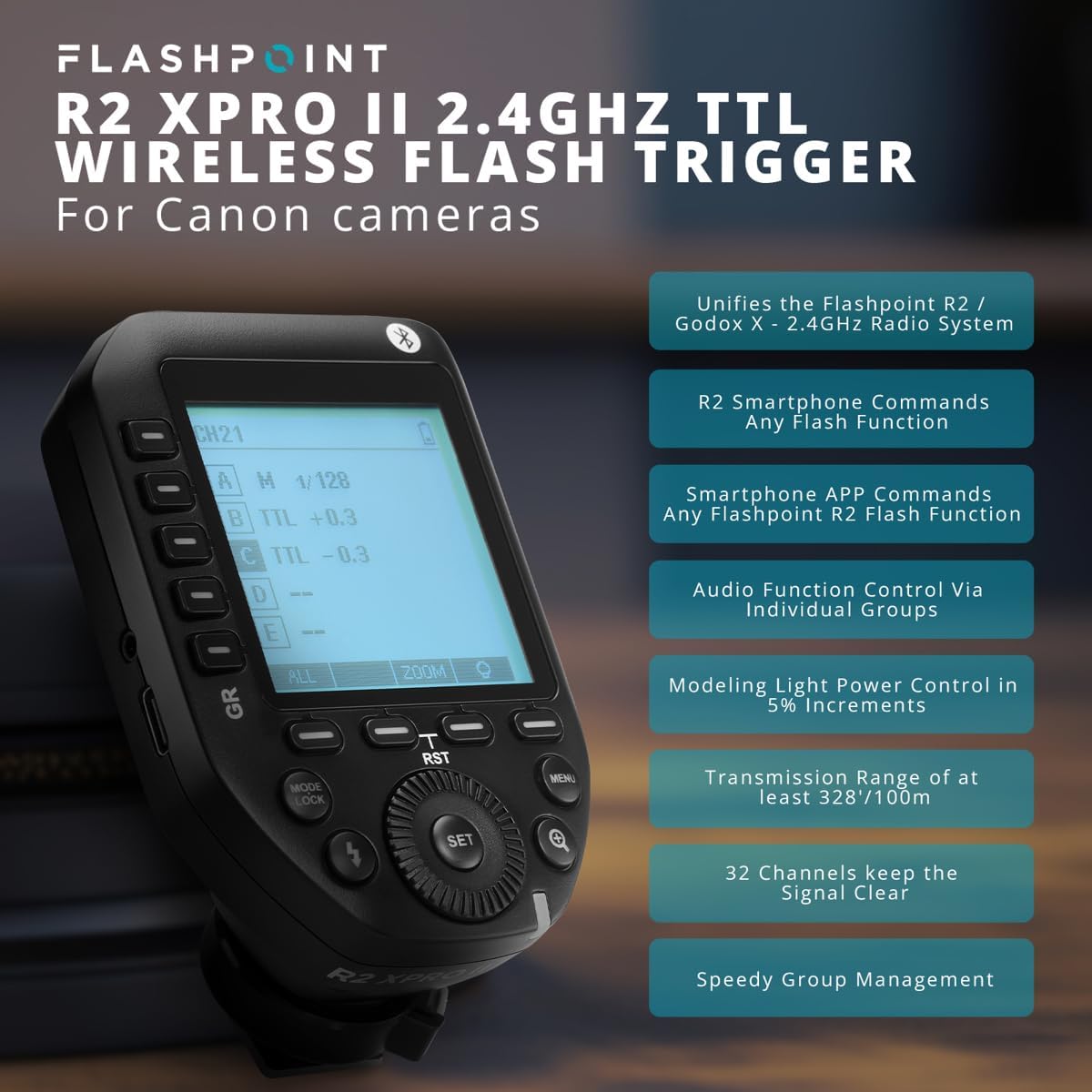
Image 3.1: Key features of the Flashpoint R2 XPro II, highlighting its capabilities.
4. Einrichtung
4.1. Einlegen der Batterie
The R2 XPro II uses two AA batteries. To install:
- Locate the battery compartment cover on the underside of the trigger.
- Schieben Sie die Abdeckung auf.
- Legen Sie zwei AA-Batterien ein und achten Sie dabei auf die richtige Polarität (+/-), wie im Batteriefach angegeben.
- Schließen Sie den Batteriefachdeckel fest.

Image 4.1: Battery compartment of the R2 XPro II, ready for AA battery insertion.
4.2. Montage an der Kamera
To mount the trigger on your camera's hot shoe:
- Stellen Sie sicher, dass der Auslöser ausgeschaltet ist.
- Slide the hot shoe foot of the R2 XPro II into your camera's hot shoe.
- Push the locking lever forward to secure the trigger firmly in place.
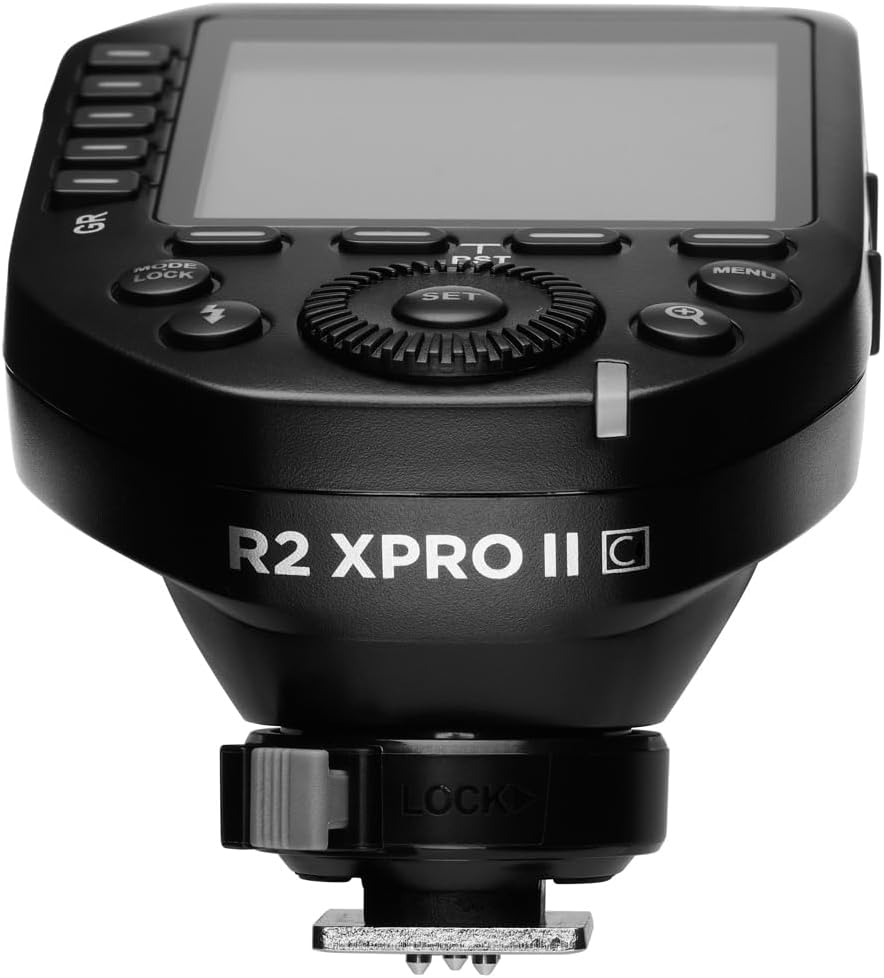
Abbildung 4.2: Unterseite view of the R2 XPro II, highlighting the hot shoe and locking lever.
4.3. Erstes Einschalten und Grundeinstellungen
After mounting, power on the trigger using the ON/OFF switch located on the side. The LCD display will illuminate. You may need to set the channel and group to match your flash units. Refer to Section 5 for detailed operating instructions.
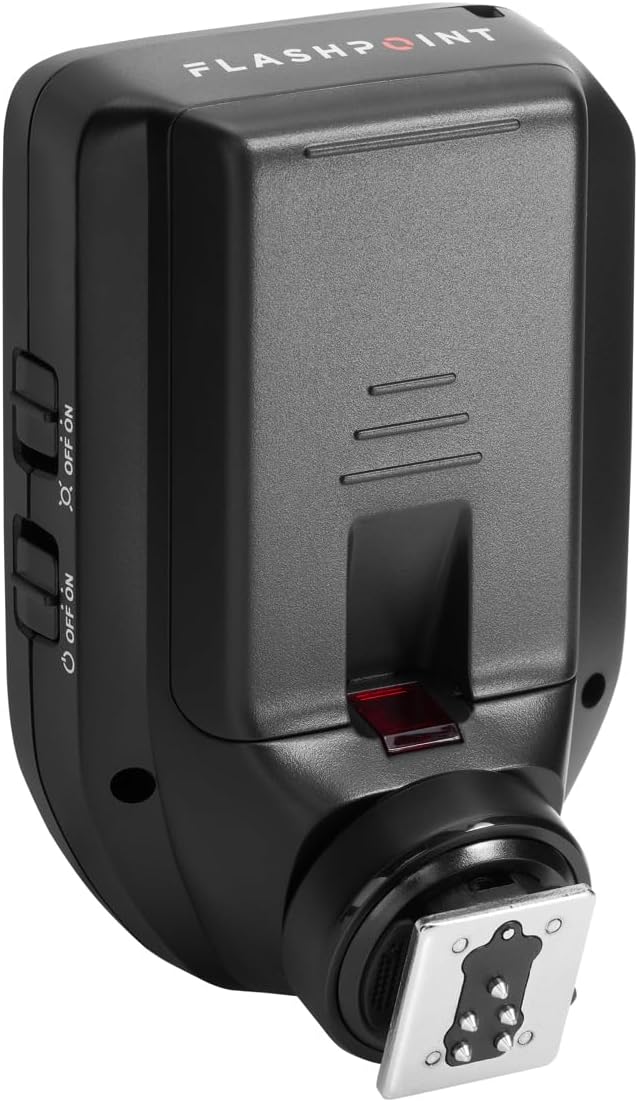
Abbildung 4.3: Seite view of the R2 XPro II, indicating the location of the power switch.
5. Bedienungsanleitung
5.1. Ein-/Ausschalten
Use the dedicated ON/OFF switch on the side of the unit to power the trigger on or off.
5.2. Navigating the Display and Controls
The R2 XPro II features a large LCD display and intuitive buttons for easy navigation.

Bild 5.1: Draufsicht view of the R2 XPro II display and control layout.
- LCD Anzeige: Shows current channel, group settings, flash mode (TTL/M/Multi), power output, and battery status.
- GR Buttons (Left Side): Used to select and adjust individual groups (A-E).
- Set-Taste: Bestätigt die Auswahl und ruft Untermenüs auf.
- Wählen: Rotates to change values (e.g., power output, channel number).
- MODE/LOCK Button: Cycles through flash modes (TTL, Manual, Multi) and locks/unlocks settings.
- Flash-Taste: Test fire button.
- MENU-Taste: Greift auf Systemeinstellungen zu.
- Magnifying Glass Button: Zoom function for detailed group view.
5.3. Setting Channels and Groups
To ensure proper communication, the trigger and your flash units must be set to the same channel and group.
- Drücken Sie die SPEISEKARTE Taste zum Aufrufen der Systemeinstellungen.
- Navigate to the Channel (CH) setting using the dial and press SATZ.
- Rotate the dial to select the desired channel (1-32) and press SATZ zur Bestätigung.
- To adjust groups, press the corresponding GR button (A-E) on the left side.
- Use the dial to change the flash mode (TTL/M/Multi) or power output for the selected group.
5.4. TTL Mode Operation
In TTL (Through-The-Lens) mode, the trigger automatically adjusts flash power based on the camera's metering. This is ideal for fast-paced shooting where lighting conditions change frequently.
- Ensure your flash unit is also set to TTL mode.
- On the R2 XPro II, press the MODUS/SPERRE button until "TTL" is displayed for the desired group(s).
- The trigger will communicate with your camera to determine the appropriate flash output.
5.5. Betrieb im manuellen Modus
Manual mode provides precise control over flash power, allowing you to set the output from 1/1 to 1/256 in 1/3 stop increments.
- Drücken Sie die MODUS/SPERRE button until "M" (Manual) is displayed for the desired group(s).
- Use the dial to adjust the power output for each group.
- The display will show the current power setting (e.g., M 1/128).
5.6. Hochgeschwindigkeitssynchronisation (HSS)
HSS allows you to use flash at shutter speeds faster than your camera's native sync speed (e.g., 1/250s), up to 1/8000s. This is useful for overpowering ambient light or using wide apertures in bright conditions.
HSS is typically enabled automatically when your camera's shutter speed exceeds the normal sync speed while the trigger is in TTL or Manual mode. Ensure your flash unit also supports HSS.
5.7. Using the Test Fire Button
Drücken Sie die entsprechende Blitz button (lightning bolt icon) to test fire all active flash units. This is useful for checking flash readiness and light output before taking a picture.
5.8. Bluetooth and Smartphone App Control
The R2 XPro II features built-in Bluetooth for remote control via a smartphone application. Download the Flashpoint R2 app (or compatible Godox app) from your device's app store. Follow the app's instructions to pair your trigger and control flash settings remotely.
6. Wartung
6.1. Reinigung
To clean the trigger, use a soft, dry cloth. For stubborn dirt, a slightly damp Ein Tuch kann verwendet werden, achten Sie jedoch darauf, dass keine Feuchtigkeit in das Gerät eindringt. Verwenden Sie keine scharfen Chemikalien oder Scheuermittel.
6.2. Batteriepflege
- Um ein Auslaufen zu verhindern, entfernen Sie die Batterien, wenn der Auslöser längere Zeit nicht benutzt wird.
- Use high-quality AA alkaline or NiMH rechargeable batteries.
- Entsorgen Sie gebrauchte Batterien verantwortungsvoll gemäß den örtlichen Vorschriften.
6.3. Speicherung
Store the R2 XPro II in a cool, dry place, away from direct sunlight, extreme temperatures, and high humidity. Keep it in its original packaging or a protective case to prevent damage.
6.4. Firmware-Updates
Flashpoint periodically releases firmware updates to improve performance, add features, or ensure compatibility with new camera models. To update the firmware:
- Visit the official Flashpoint webWebsite für die neueste Firmware und Update-Anweisungen.
- Connect the R2 XPro II to your computer using the supplied USB-C cable.
- Follow the instructions provided on the Flashpoint website to complete the update process.

Abbildung 6.1: Seite view of the R2 XPro II, highlighting the USB-C port for firmware updates.
7. Fehlerbehebung
If you encounter issues with your Flashpoint R2 XPro II, refer to the following common problems and solutions:
| Problem | Mögliche Ursache | Lösung |
|---|---|---|
| Auslöser lässt sich nicht einschalten. | Defekte oder falsch eingesetzte Batterien. | Batteriepolung prüfen, ggf. durch neue AA-Batterien ersetzen. |
| Blitze zünden nicht. | Incorrect channel/group settings; trigger not securely mounted; flash unit issues. | Ensure trigger and flashes are on the same channel and group. Check trigger is fully seated on camera hot shoe. Verify flash units are powered on and ready. |
| Inconsistent firing or limited range. | Interference; low battery; obstructions. | Change channel. Replace batteries. Reduce distance or clear line of sight between trigger and flashes. |
| TTL exposure issues. | Flash exposure compensation set incorrectly; firmware outdated. | Check flash exposure compensation settings on both camera and trigger. Update firmware. |
| Display not working or frozen. | Softwarefehler; schwacher Akku. | Remove and reinsert batteries. Replace batteries. If issue persists, contact support. |
8. Spezifikationen
| Attribut | Wert |
|---|---|
| Technische Daten | 5.25 x 4 x 2.8 Zoll |
| Artikelgewicht | 9.3 Unzen |
| ASIN | B0BZ7PQ2PB |
| Artikelmodellnummer | R2 XPro II |
| Datum der ersten Verfügbarkeit | 21. März 2023 |
| Hersteller | Flammpunkt |
| Drahtlose Frequenz | 2.4 GHz |
| Kanäle | 32 |
| Gruppen | 5 TTL Groups (A-E), 16 Manual Groups (0-9, A-F) |
| Synchronisierungsgeschwindigkeit | Bis zu 1/8000s (Hochgeschwindigkeitssynchronisation) |
| Stromquelle | 2 x AA-Batterien (nicht im Lieferumfang enthalten) |
9. Garantie und Support
For information regarding warranty coverage and technical support for your Flashpoint R2 XPro II, please refer to the official Flashpoint webBesuchen Sie die Website oder kontaktieren Sie direkt den Kundenservice. Bewahren Sie Ihren Kaufbeleg als Kaufnachweis für Garantieansprüche auf.
Flashpoint Official WebWebsite: www.adorama.com/g/flashpoint


